Rejuvenating Scotland’s High Streets

Rejuvenating Scotland’s High Streets

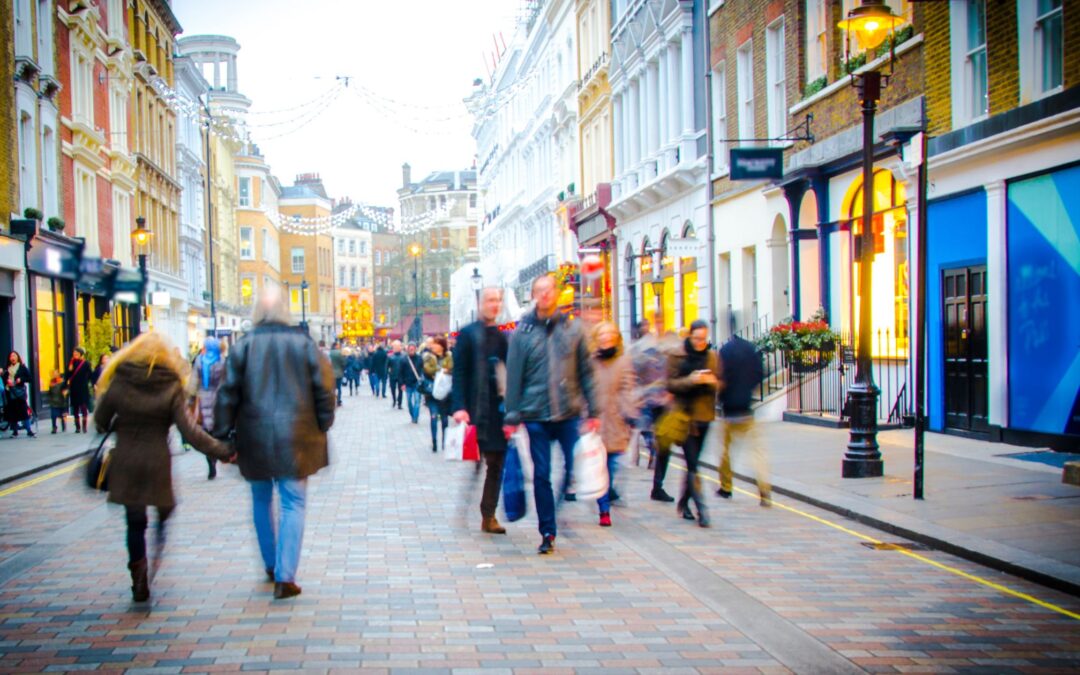
Walk through almost any Scottish town centre and the pattern is hard to ignore.

More empty units. Less variety. Fewer independents. And fewer reasons for people to spend time there – even when they want to.

This isn’t about nostalgia for a past era of shopping. High streets are more than retail. They’re economic and social infrastructure, places where communities meet, small businesses grow, and local money circulates.

The challenge is that the economics have shifted faster than the system around them.

The good news? The levers are practical. And they don’t require genius – they require intent.

Here’s what a serious strategy looks like:


1) Make the cost of physical presence fairer

If we want thriving town centres, then operating in them needs to be viable.

That means reforming how we tax and incentivise property so that we:

  • reduce volatility and uncertainty for small businesses
  • reward occupied premises and investment
  • address long-term vacancy more effectively

A healthy high street begins with a system that encourages businesses to open… and stay open.


2) Keep more value circulating locally

Online retail isn’t the enemy. Convenience has changed expectations and that won’t reverse.

But it is worth asking: when spending moves away from town centres, how do we make sure communities don’t lose out entirely?

We should explore mechanisms that ensure value generated from local consumers helps support local places, and that investment is visible on the ground.


3) Make parking an invitation, not a deterrent

Town centres don’t just compete with online. They compete with frictionless retail parks.

If visiting the high street feels expensive or stressful, people will do what people do: choose the easier option.

Short-stay free or subsidised parking, treated as a footfall strategy rather than a revenue line, can often be one of the fastest ways to restore momentum.


4) Back the “circular economy”

Everything here links to one principle:

Money that circulates locally creates more value than money that leaks out.

Independents employ locally, buy locally, and reinvest locally. When they disappear, the whole ecosystem weakens.

A real high-street strategy should focus on keeping towns liveable and investable, not just writing regeneration plans.

High streets won’t fix themselves. But they can be rebuilt, with practical choices, made with urgency, and backed by consistent follow-through.

Because a thriving high street isn’t just good for business.

It’s good for community.
Co-Existence is Key as we Celebrate World Elephant Day

Co-Existence is Key as we Celebrate World Elephant Day

Today marks the 10th Anniversary of World Elephant Day, launched to bring international attention to the urgent plight of Asian and African elephants, under threat of poaching, habitat loss, human-elephant conflict and mistreatment in captivity.  The elephant is loved and respected by people throughout the world, yet we balance on the brink of seeing the last of this magnificent creature.

PG Paper is proud to work closely with Elephant Family, a UK-based wildlife conservation charity established in 2003, working with Asian elephants and local people in their communities across the Indian Subcontinent to protect the species. Asian elephant numbers are in severe decline and are now featured on the IUCN Red List.

The Tartan Trekkers

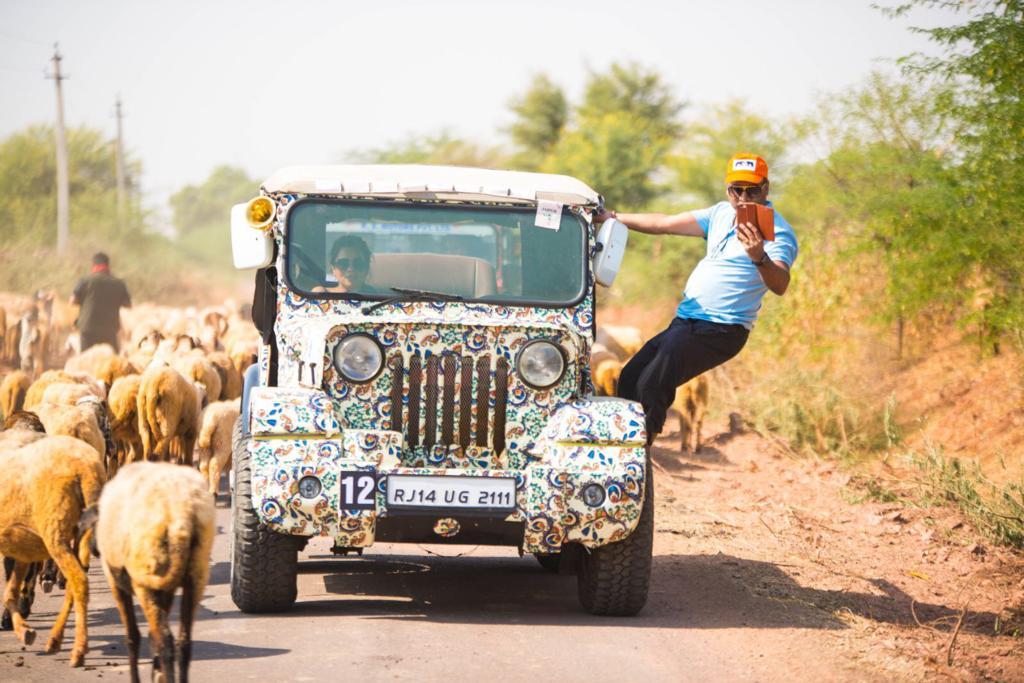
PG’s leadership team, philanthropists Puneet and Poonam Gupta, took part in the “Travels to my Elephant” rickshaw race across India in 2015, and again in 2017.  Organized by the Elephant Family and the Quintessentially Foundation the race raises awareness and money for the Asian Elephant’s plight and was inspired by the charity’s founder, the late great Mark Shand.   


Serial entrepreneur ‘Puneet Gupta’ commented:

“Poonam and I were privileged to take part in the 2015 and 2017 races.  As “The Tartan Trekkers” our journey saw our rickshaw valiantly fighting for road space with buses, cars, people and cows. It was an amazing, fun and challenging experience with such a central message around the importance of humans and elephants sharing space on our planet.”

The CoExistence Campaign

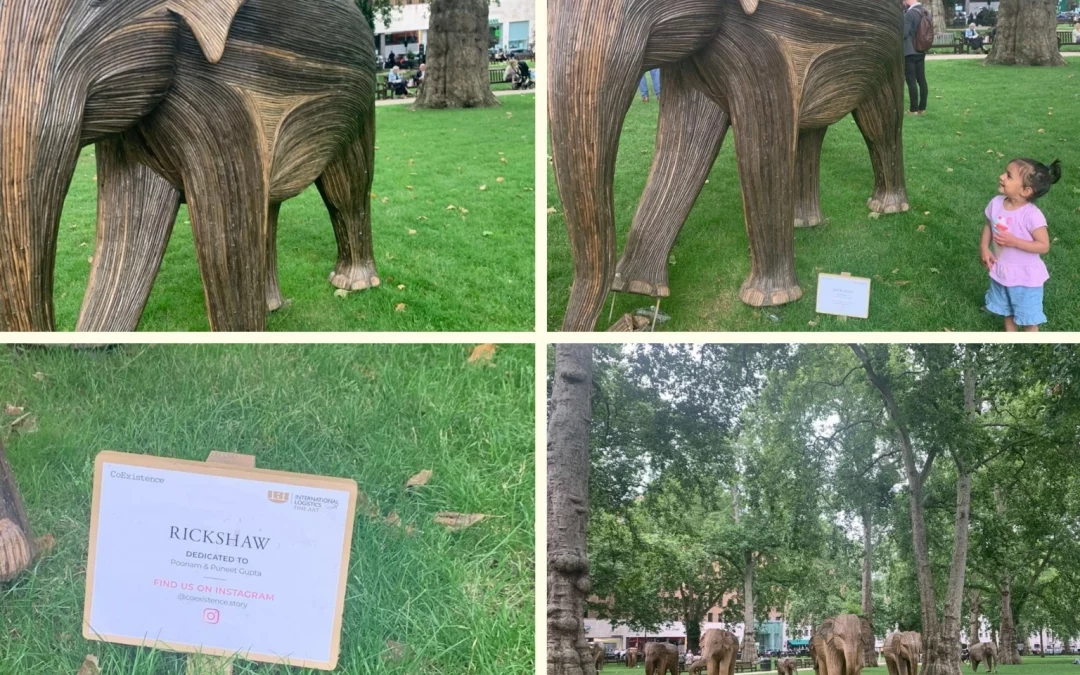
This key message of co-existence was the theme of the recent CoExistence Campaign which saw a herd of beautifully sculptured elephants arrive in The Mall from the Cotswolds, before making their way through Chelsea, St James’s Park and Berkeley Square in London.

Puneet Gupta, was not only there, he got to meet his very own elephant:

“The project is a partnership between the Real Elephant Collective and the Elephant Family, a charity I have supported for many years.  Poonam and I were delighted to meet our very own elephant sculpture, aptly named “Rickshaw” when we visited the environmental art installation a couple of weeks ago.  As we prepare for COP26 it’s incredibly important that we look at how humans and wildlife can successfully live and flourish side-by-side on our planet.”

More Information/reading

Elephant Family

the Real Elephant Collective

CoExistence campaign

World Elephant Day

UN Climate Change Conference